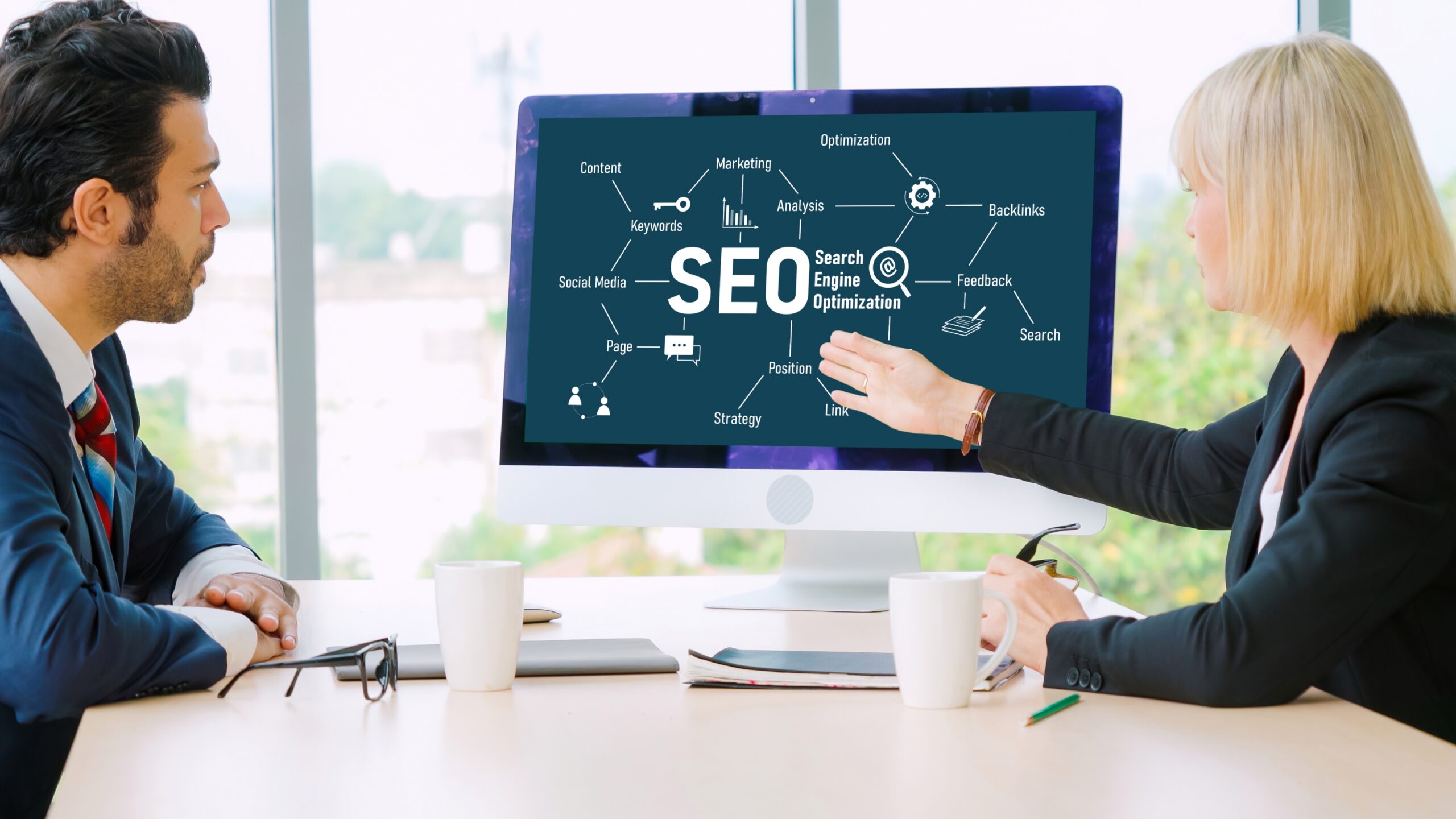
In 2026, digital marketing is no longer about choosing between SEO or paid ads — it’s about building an integrated performance ecosystem. Brands that combine SEO with paid and performance marketing strategies are outperforming competitors in traffic quality, conversion rates, and overall ROI.
If you are running campaigns on Google Ads, Meta Ads, or even leveraging AI-driven platforms like Google Marketing Platform, SEO is quietly influencing your success more than ever.
Let’s explore how SEO impacts paid & performance marketing in 2026 and why smart brands integrate both.
1. SEO Reduces Paid Acquisition Costs
One of the biggest shifts in 2026 is rising ad competition. CPCs are increasing across industries, especially in high-intent sectors like finance, healthcare, and SaaS.
When your website ranks organically:
- You reduce dependency on paid traffic
- You capture high-intent users without paying per click
- You improve brand credibility
Impact on performance marketing:
Strong organic rankings reduce overall Cost Per Acquisition (CPA). Paid campaigns can then focus on scaling, remarketing, and high-conversion keywords rather than basic visibility.
2. SEO Improves Quality Score & Ad Performance
Many businesses overlook this: SEO directly influences paid campaign performance.
Here’s how:
- Faster website speed improves landing page experience
- Better content relevance increases engagement
- Structured data improves page clarity
Search engines prioritize relevance. When your landing pages are SEO-optimized, platforms like Google Ads reward you with:
- Higher Quality Score
- Lower CPC
- Better Ad Rank
In 2026, AI-powered bidding systems analyze user behavior deeply. Optimized pages lead to better engagement signals — which improves paid performance.
3. Organic Data Strengthens Paid Keyword Strategy
SEO gives you real user data:
- Top-performing organic keywords
- High CTR queries
- Content that drives engagement
- Search intent insights
This data helps refine:
- Paid search campaigns
- Performance Max strategies
- Audience targeting
Instead of guessing, you invest in paid keywords already proven to convert organically.
Result: Higher ROAS with lower experimentation costs.
4. SEO Builds Trust That Boosts Paid Conversions
Modern buyers research before purchasing.
A typical 2026 customer journey looks like this:
- Sees a paid ad
- Searches your brand name
- Checks organic listings
- Reads blog or reviews
- Converts later via remarketing
If your brand lacks organic presence, trust drops.
Ranking organically alongside your ads creates:
- Brand authority
- Higher click-through rates
- Improved assisted conversions
SEO strengthens your entire performance funnel.
5. Content Marketing Powers Retargeting Campaigns
SEO-driven content marketing produces:
- Blog traffic
- Educational guides
- Comparison pages
- Industry insights
This content feeds your remarketing campaigns on:
- Meta Ads
- Google Ads
- YouTube & Display networks
Instead of cold targeting, you retarget users who already engaged with your SEO content.
Impact in 2026:
Lower acquisition costs + higher conversion rates due to warm audiences.
6. SEO Improves Conversion Rate Optimization (CRO)
SEO today is not just about keywords — it’s about user experience.
Google’s AI systems prioritize:
- Core Web Vitals
- Mobile responsiveness
- Structured content
- Helpful, user-first pages
These factors also improve:
- Time on page
- Engagement
- Conversion rates
Performance marketing becomes more profitable when landing pages convert better — and SEO ensures they do.
7. AI + SEO = Smarter Performance Campaigns
In 2026, AI-driven automation dominates performance marketing.
Platforms use machine learning to optimize:
- Bidding strategies
- Audience segmentation
- Creative testing
- Budget allocation
SEO contributes valuable structured data and search behavior insights that fuel AI systems.
For example:
- High-performing SEO content can be repurposed into ad creatives
- Organic search trends identify new paid opportunities
- Blog engagement signals inform audience expansion
SEO is now feeding AI algorithms that drive paid campaign efficiency.
8. Brand Authority Lowers Paid Dependency
Brands that dominate search results (both paid + organic) win more market share.
When users see:
- A paid ad
- Organic listing
- Featured snippet
- YouTube result
They perceive authority.
In 2026, search engines reward strong brands. SEO builds that authority, reducing the need to overpay in auctions.
9. SEO Supports Performance Marketing Funnel Strategy
Performance marketing works best with a full-funnel strategy:
Top of Funnel (Awareness)
- SEO blogs
- Informational keywords
- Educational content
Middle of Funnel (Consideration)
- Comparison pages
- Case studies
- Optimized landing pages
Bottom of Funnel (Conversion)
- High-intent keywords
- Paid search campaigns
- Retargeting ads
SEO supports every stage — making paid campaigns more targeted and cost-efficient.
10. Long-Term Growth vs Short-Term Gains
Paid ads deliver immediate results.
SEO delivers sustainable growth.
In 2026, smart businesses understand:
- Paid = Acceleration
- SEO = Foundation
When both align, brands experience:
- Stable traffic
- Lower CAC
- Higher Lifetime Value (LTV)
- Better ROI
The 2026 Reality: SEO + Performance Marketing = Growth Engine
The biggest mistake businesses make is treating SEO and paid marketing as separate strategies.
They are not competitors — they are performance partners.
When integrated correctly:
- SEO improves paid campaign efficiency
- Paid data strengthens SEO targeting
- Content powers remarketing
- AI becomes smarter
- ROI multiplies
For performance-focused digital marketing agencies, this integration is no longer optional — it’s essential.
Final Thoughts
In 2026, performance marketing is data-driven, AI-powered, and conversion-focused. But without strong SEO foundations, paid campaigns become expensive and unstable.
SEO impacts:
- CPA
- ROAS
- Quality Score
- Conversion rates
- Brand trust
- Funnel efficiency
The future belongs to brands that combine organic visibility with paid acceleration.
If you want predictable growth, scalable leads, and higher profitability — SEO and performance marketing must work together, not separately.